
We commonly take for granted the advanced slot machines that rule both land-based and online casinos today, Live Blackjack, but their evolution from primitive mechanical devices to sophisticated digital games is a captivating tale of progress and adjustment. In this article, we explore the origins and development of slot machines, tracing their development from the late 19th century to the present day. We review how technological advancements have changed the core mechanics, from original three-reel setups to modern video slots with numerous of paylines and captivating bonus features. We also look into the mathematical models that govern these games, such as RTP and volatility, and address how players can approach them with a better understanding of what lies beneath the spinning reels. Our objective is to provide a thorough overview that charts historical milestones and equips you with understanding to enjoy these games more mindfully.
Special Features That Revolutionized the Game: Wild Symbols, Scatter Icons, and Complimentary Spins
The Progression of Complimentary Spin Mechanics
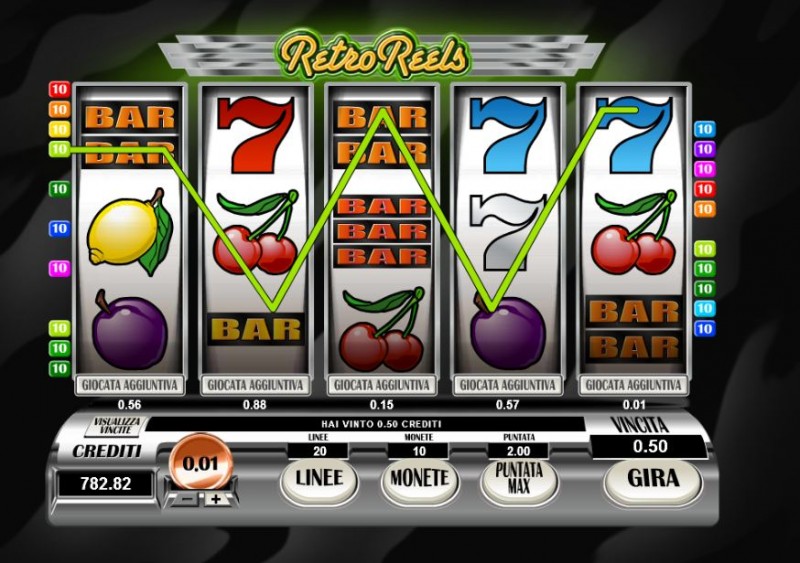
The arrival of bonus features converted slots from simple spin-and-win games into interactive experiences. Wild icons stand in for other symbols to form wins, and they can expand, become stationary, or carry multipliers. Scatter symbols initiate bonus rounds or free spins when showing up anywhere on the reels. These features were first popularized in video slots and are now commonplace. Complimentary spin rounds provide a predetermined number of spins without taking from the balance, often improved with modifiers like higher multipliers or additional wilds. Multiplier icons can also show up in the base game, spanning from 2x to 10x or more. Other innovative features include avalanche reels, where winning symbols fade and new ones drop into position, creating sequences. We have seen that these features boost entertainment value and significantly impact volatility and max win potential. When selecting a slot, we recommend analyzing bonus features carefully, as they often shape the overall experience and payout structure.
- Standard Wilds: Replace regular symbols to form wins.
- Enlarging Wilds: Occupy entire reels to enhance win potential.
- Sticky Wilds: Stay in place for multiple spins, often during free spins.
- Multiplier Wild Icons: Apply a multiplier to any win they are involved in.
- Traveling Wilds: Move across reels with each spin, generating new opportunities.
The Electromechanical Era and the Rise of Video Slots
The next major leap came with electromechanical components. In 1963, Bally Technologies released Money Honey, the inaugural fully electromechanical slot machine. It kept the lever but used electrical motors to spin reels and solenoid actuators to stop them. This design allowed for multi-coin bets and higher payouts, preparing the ground for the lever’s elimination. Money Honey could automatically pay out up to 500 coins without an attendant, making slot machines more accessible and profitable. The lever gradually became a nostalgic feature rather than a necessity. From our perspective, this era signaled the beginning of modern slots, where electronic systems replaced purely mechanical ones, providing greater reliability and potential for more intricate game designs. The success of Money Honey spurred a wave of innovation, and by the late 1970s, the industry was ready for another transformative shift. This shift would soon lead to the video slot revolution.
In 1976, Fortune Coin Company developed the earliest true video slot machine in Las Vegas, using a modified 19-inch Sony television to display reels. Initially met with skepticism over fairness, it gained approval from the Nevada Gaming Commission and began to gain traction. The video screen enabled designers to create varied layouts, simulating any number of reels and introducing bonus rounds and animations. The technology shifted from mechanical stops to random number generators (RNGs), determining outcomes electronically. This transition fundamentally changed the player experience, turning visual and auditory feedback more engaging. We observe that the video slot era democratized game design, permitting smaller studios to experiment with themes and features that were previously impossible. The RNG technology ensured greater fairness and randomness, as outcomes were no longer constrained by physical reel stops. This innovation also allowed for the development of progressive jackpots.
The Mathematics of Slots: RTP and Volatility Clarified
Every slot machine is governed by a mathematical model, and two key metrics are Return to Player (RTP) and volatility. RTP is the theoretical percentage of wagered money a slot pays back over time. For example, a 96% RTP means a return of £96 for every £100 wagered, on average. This is a long-term expectation and does not guarantee session outcomes. In the UK, online slots typically have RTPs from 94% to 98%, with many around 96%. We recommend players to check the game’s information for the exact RTP, as it can vary between versions. Higher RTP indicates a lower house edge over time, though it does not ensure https://bleacherreport.com/articles/10094919-senators-shane-pinto-suspended-41-games-for-violating-nhl-sports-gambling-rules short-term generosity. Some jurisdictions require operators to display RTP prominently, which helps informed decision-making. Players should also be aware that RTP is calculated over millions of spins, so individual sessions can vary widely.
Volatility, or variance, describes the risk profile of a slot. Low-volatility slots pay smaller wins frequently, extending playtime and reducing bankroll depletion risk. High-volatility slots offer larger payouts but less often, leading to dry spells before significant wins. Medium-volatility games balance the two. Understanding this helps manage expectations and bankroll. A player with a limited budget might prefer low-volatility games for longer sessions, while a thrill-seeker might choose high-volatility slots for big wins. We note that many modern slots with elaborate bonus features tend toward high volatility, as large multipliers during free spins or jackpots increase variance. We consider both RTP and volatility together when evaluating a slot’s mathematical design. Some providers also publish a hit frequency rate, indicating how often a spin results in a win, offering another layer of insight. This metric can be particularly useful for players who want to understand the game’s rhythm.
The invention of the initial Slot Machine
The birth of the slot machine can be followed back to the late 19th century, when Charles Fey built the Liberty Bell in his San Francisco workshop. This machine featured three spinning reels with five symbols: horseshoes, diamonds, spades, hearts, and a cracked Liberty Bell. Pulling the lever spun the reels, and three Liberty Bells awarded the highest reward of fifty cents. The reels were operated by springs and gears, with stopping positions set by notches and levers. This design streamlined payouts and introduced the element of chance that stays central to slot gaming. The Liberty Bell rapidly gained popularity in saloons and barber shops, laying the stage for a new form of entertainment. We note that Fey’s invention was not the first coin-operated gambling device, but it was the first to incorporate automatic payouts, bypassing the need for an attendant to verify wins.
Prior machines, such as the poker-based devices by Sittman and Pitt, needed winners to claim prizes like free drinks or cigars. The Liberty Bell’s direct coin payout kept it more desirable and efficient. As demand grew, Fey could not keep up with production and refused to sell manufacturing rights, giving rise to imitations and innovations. Competitors added new symbols like fruit icons—cherries, lemons, and oranges—which later became linked with slot machines. These early machines set fundamental principles: random outcomes from mechanical stops, a clear paytable, and the thrill of anticipation. Our analysis shows a product that was as much a marvel of engineering as a source of amusement. The lever earned these machines the nickname “one-armed bandits,” a term that persists even today despite the lever’s eventual obsolescence. The fruit symbols, in particular, were a clever addition because they allowed operators to circumvent anti-gambling laws by offering fruit-flavored gum as prizes, categorizing the machines as vending devices.
The way Modern Slots Operate: Reels, Paylines, and Systems to Win
Grasping modern slot workings is vital for any player. Slots comprise a group of reels—typically five in video slots—that turn and show symbols. Each reel includes symbols, and the outcome after a spin determines wins. Paylines began with a solitary horizontal line, but current games boast multiple lines extending horizontally, vertically, or diagonally. A classic setup might include 20 or 25 paylines, while complex games present 100 or more. Players can often pick how many paylines to activate, with each line calling for an additional bet. We have discovered that this flexibility enables a broad range of betting approaches, from conservative play to high-risk styles. The visual representation of paylines helps players grasp which combinations are judged, though many modern games fix the lines to simplify the experience. This setup accommodates both beginner and veteran players, making slots accessible to all.
Many modern slots employ a “ways to win” system, eradicating the necessity for specific paylines. Aligning symbols on adjacent reels from left to right activate a win, regardless of vertical position. A typical format is 243 ways to win on a 5×3 reel set. More sophisticated games offer 1,024 ways or employ the Megaways mechanic, which constantly varies symbols per reel, resulting in up to 117,649 ways. This invention creates more frequent winning opportunities and adds unpredictability. Our analysis suggests that ways-to-win systems often align with higher volatility, as greater combinations can result in both frequent small wins and huge payouts. We recommend checking the paytable to comprehend the structure, as it influences betting strategy and gameplay rhythm. Some games blend both systems, providing fixed paylines alongside ways-to-win features in bonus rounds. This brings another level of complexity and enthusiasm for players.
Progressive prizes and the Pursuit of Maximum Wins
For many players, the main appeal of slots is the possibility of a life-changing jackpot. Progressive jackpots increase over time as a tiny portion of each bet is put into the prize pool. They can be independent, connected across machines, or networked across casinos, producing prizes worth millions of pounds. Notable examples include Microgaming’s Mega Moolah and NetEnt’s Mega Fortune. Each progressive has an initial amount and a funding rate. We note that the odds of hitting a progressive are incredibly low, often comparable to a lottery, and the standard game RTP may be slightly lower to support the jackpot. Nevertheless, the appeal remains strong due to the fantasy of a huge win from a small stake. A few progressives also include multiple jackpot levels, such as Mini, Minor, Major, and Grand, each with different prize amounts and win frequencies.
Beyond progressives, numerous slots promote a maximum win potential as a multiplier of the bet, such as 5,000x or 50,000x the wager. These wins are typically achieved via bonus features like free spins with large multipliers or unique jackpot rounds. Though theoretically possible, they are very rare and often require maximum bets or enabling all features. We recommend players to read game rules for best prize conditions. The growth of high-max-win slots is fueled by player demand for greatter thrills, and developers respond with elaborate bonus structures. However, pursuing these wins can result in fast bankroll depletion, so a disciplined approach is crucial. In our analysis, progressive prizes or high max wins should be viewed as thrilling bonuses not as reliable strategies. Some games also offer fixed jackpots that deliver large but fixed prizes, providing an alternative to progressive systems.
Playing Slots Currently: Wager Levels, Strategies, and What Awaits
Playing modern slot machines is easy, but a few considerations can elevate the experience. Most online slots feature a wide bet range, from £0.10 to £100 or more per spin, catering to different budgets. The bet amount often influences active paylines or coin value, and higher bets may activate additional features or increase jackpot chances. Before spinning, we suggest setting a budget and choosing a bet level that allows for comfortable play. The gameplay is simple: select your bet, press spin, and watch the reels. Many games include an autoplay function with loss and win limits. While slots are games of chance, understanding the paytable, RTP, and volatility helps select a game matching your risk tolerance and entertainment goals. It is crucial to acknowledge that no strategy guarantees wins, as outcomes are determined by RNGs. However, opting for low-volatility games with higher RTP can prolong playtime, while high-volatility slots appeal to those seeking big wins. We suggest using demo modes to learn features without risk, and setting time and loss limits for responsible play. The growth of mobile technology has made slots more accessible than ever, with most games designed for smartphones and tablets.
- Establish a budget and adhere to it.
- Examine RTP and volatility before playing.
- Try demo modes to learn features.
- Select bet sizes for sufficient spins.
- Establish win and loss limits.
- Schedule regular breaks to maintain perspective.